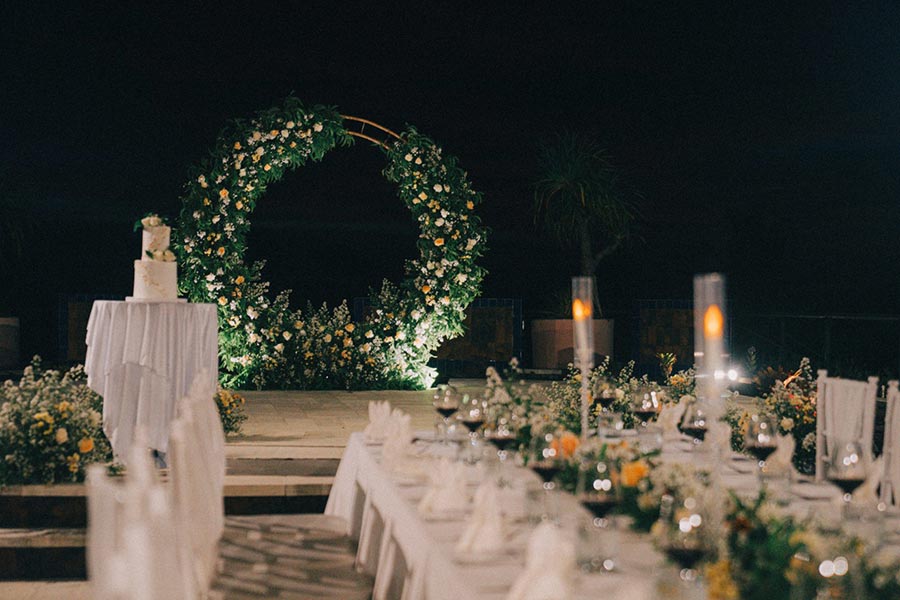

The enduring allure of the past is undeniable. Our fascination with bygone eras manifests in countless ways, from the clothes we wear to the homes we design. This deep-seated appreciation for what came before fuels a constant resurgence of vintage styles, leading to a captivating blend of nostalgia and modernity. This exploration delves into the significant influence of Vintage Aesthetics in contemporary creative culture.

Key Takeaways:
- Vintage Aesthetics are experiencing a significant revival in various creative fields, driven by nostalgia and a desire for unique expression.
- The appropriation of vintage styles demonstrates a complex interplay between past and present, resulting in fresh and innovative designs.
- Specific vintage periods, such as the Art Deco era and mid-century modern design, profoundly impact current trends.
- Understanding the historical context of vintage styles allows for a more nuanced appreciation of their application in contemporary culture.
Understanding the Appeal of Vintage Aesthetics
The appeal of Vintage Aesthetics lies in their ability to evoke a sense of longing for simpler times, or perhaps a fascination with a specific historical period. The styles themselves—be it the sleek lines of Art Deco, the playful patterns of the 1950s, or the bold graphics of the 1970s—carry inherent narratives. They speak of social changes, technological advancements, and evolving cultural identities. This inherent storytelling aspect makes vintage aesthetics particularly compelling to modern designers and artists. The reinterpretation and reimagining of these styles allow for unique expressions, moving beyond mere imitation. For example, a modern designer might take the color palette of a 1950s diner and apply it to a contemporary clothing line, creating a piece that feels both familiar and completely new. This fusion of past and present is a defining characteristic of the current cultural landscape.
Vintage Aesthetics in Fashion
The fashion industry is a particularly fertile ground for the cultivation of Vintage Aesthetics. From runway shows to street style, echoes of past eras constantly reappear, often reimagined with contemporary fabrics, silhouettes, and technologies. The influence of 1920s flapper dresses, 1950s poodle skirts, and 1970s bohemian styles remains strong. Vintage clothing itself enjoys a massive following; thrifting and secondhand shopping are no longer niche hobbies but widely accepted ways to express personal style and promote sustainability. Even high-end fashion houses often draw inspiration from vintage patterns and designs, demonstrating the enduring relevance of these aesthetics. This isn’t simply about copying; it’s about understanding the spirit of a particular era and translating it into something relevant for today’s consumer.
Vintage Aesthetics in Interior Design and Architecture
The resurgence of Vintage Aesthetics is also evident in interior design and architecture. Mid-century modern furniture, with its clean lines and functional design, continues to be highly sought after. Art Deco influences, characterized by geometric patterns and opulent materials, are often incorporated into modern spaces to add a touch of sophistication and glamour. The revival of vintage styles in home décor allows homeowners to create spaces that reflect their individual tastes while also telling a story about their appreciation for design history. In the United States, particularly, you’ll find many examples of homes subtly or overtly incorporating vintage aesthetics, from retro kitchen appliances to carefully curated collections of vintage furniture.
Vintage Aesthetics and the Digital Age
Perhaps surprisingly, Vintage Aesthetics have found a thriving home in the digital realm. The rise of retro-inspired video games, websites, and social media filters speaks volumes about the enduring appeal of these styles. The pixelated graphics of 8-bit games, the muted color palettes of early computer interfaces, and the grainy textures of vintage photography are all being actively recreated and reinterpreted for a new generation. This digital application often involves a playful juxtaposition of old and new, resulting in visually arresting and nostalgic designs that tap into our collective digital nostalgia. The careful curation of vintage aesthetics online showcases the versatility and adaptability of these styles across various media.
About the Author